
Tell us whether a working key remains
If you still have a key, explain what it does successfully. It might unlock the driver's door and start the engine, start the car while the remote buttons fail, or open a door without enabling a start. A spare kept at home can also matter even when the vehicle is elsewhere. State where that key is and whether someone can access it.
If no working key remains, say ‘all keys are missing’ rather than simply asking for a copy. Mention whether the car is locked and whether you can reach its interior. The available replacement process depends on the vehicle and key system. Ask what information and proof of authorized access will be needed before assuming a particular kind of key can be supplied.
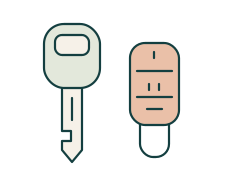
Identify the key by how you use it
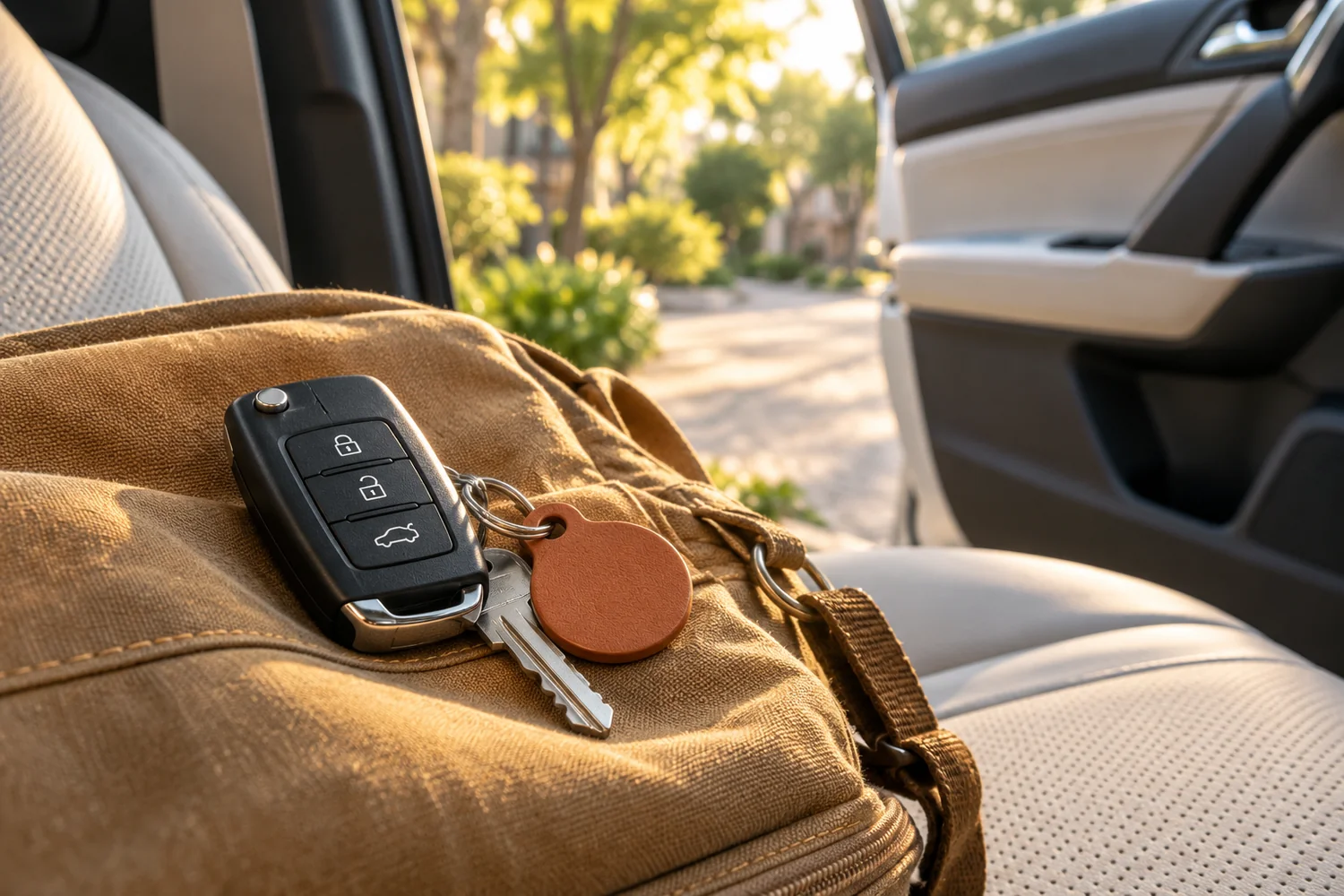
You do not need to know a technical key name to begin the conversation. Describe whether you turn a metal key in the ignition, use buttons on a separate remote or keep a fob with you while pressing a start button. If there is a damaged key, explain what is broken and which functions, if any, remain. A requested photograph can support the discussion without replacing a compatibility check.
Avoid choosing a key by appearance alone. Similar-looking fobs can belong to different systems, and a shell that looks right does not establish that its electronics will work with your car. If you already bought a key or fob, mention that before arranging anything and ask whether it can be considered. Do not assume that an independently purchased part can be used.
Does the car need a new key?
A missing key presents a clear replacement question. A nonworking key needs a more careful description. If remote entry fails but the vehicle starts normally, report that combination. If the car will not start, say what happens when you try and whether there is a dashboard message. A vehicle fault can resemble a key problem, so the symptom alone is not a diagnosis.
If the key is simply locked inside a car, start with lockout help. If a key has become difficult to turn, stop forcing it and describe the resistance or damage. Our broader automotive locksmith page helps separate access, missing-key and nonworking-key requests so the initial discussion fits the problem you have.
Give the location of the car, not just your address
The car may be parked somewhere different from the address on your documents. Around Lakeside, include the street, building and actual parking area near Lakeside Parkway or International Parkway. At the River Walk, explain which building or entrance is closest to the vehicle. A district name is helpful orientation, but a specific position helps make the arrangement practical.
Mention any gate, controlled parking entrance or restriction that affects reaching the car. Give a callback number you can answer and explain where the authorized person will meet. If your vehicle is a rental or company car, involve the responsible provider or owner as appropriate. Ask what documentation is needed and explain early if relevant documents are inside the locked vehicle.
Ask what the estimate includes
The work can depend on whether there is a working key, which key system is involved and whether access to the vehicle is also needed. When discussing an estimate, ask which parts of your request it includes and what still requires assessment. Any compatibility question should be resolved for the specific year and model rather than assumed from a broad service description.
Call 469-702-9255 with those details, or use the Flower Mound car key and parking guide to prepare them. If you find the original key while making arrangements, update the request. You may still want a spare, but that is a different conversation from replacing the only missing key.